project.
Who builds the city?
role.
curator, project manager & spatial design
sponsored & presented by.
Taiwan Contemporary Culture Lab, Taipei (affiliated with the Ministry of Culture in Taiwan)
execution.
2021 Taipei, Taiwan
team.
Ichieh Liu, Huahchi-Liang, James Teng, Janneke Derksen, Sarah Bovelett, Minsun Kim, millonaliu, MoreInkBetween, Group B
Who builds the city?
造市場
“Who Builds the City” acts as a reflection on the capital city of Taiwan: Taipei. An urban hub of 2.5 million people, accommodating the financial and economic center of the island. We looked in a broader sense of the context of the city including the historical events and their effect on the development of the landscape, posing questions on where the city is headed towards and the rights the civic population have for their share of say. “How should we imagine our city? For the sake of our needs today and for a more sustainable future? How might our city look like if we saved more traditional houses or constructed more social housing? What if conventional automobiles disappeared and public transport, bicycles and electric cars were the ones that dominanted the streets? How would these changes transform the dynamics of the streets?” The aim of this project is to guide the residents and citizens to look from a new and playful perspective on their city and understand how we currently shape the urban landscape with our very own behavior and choices.
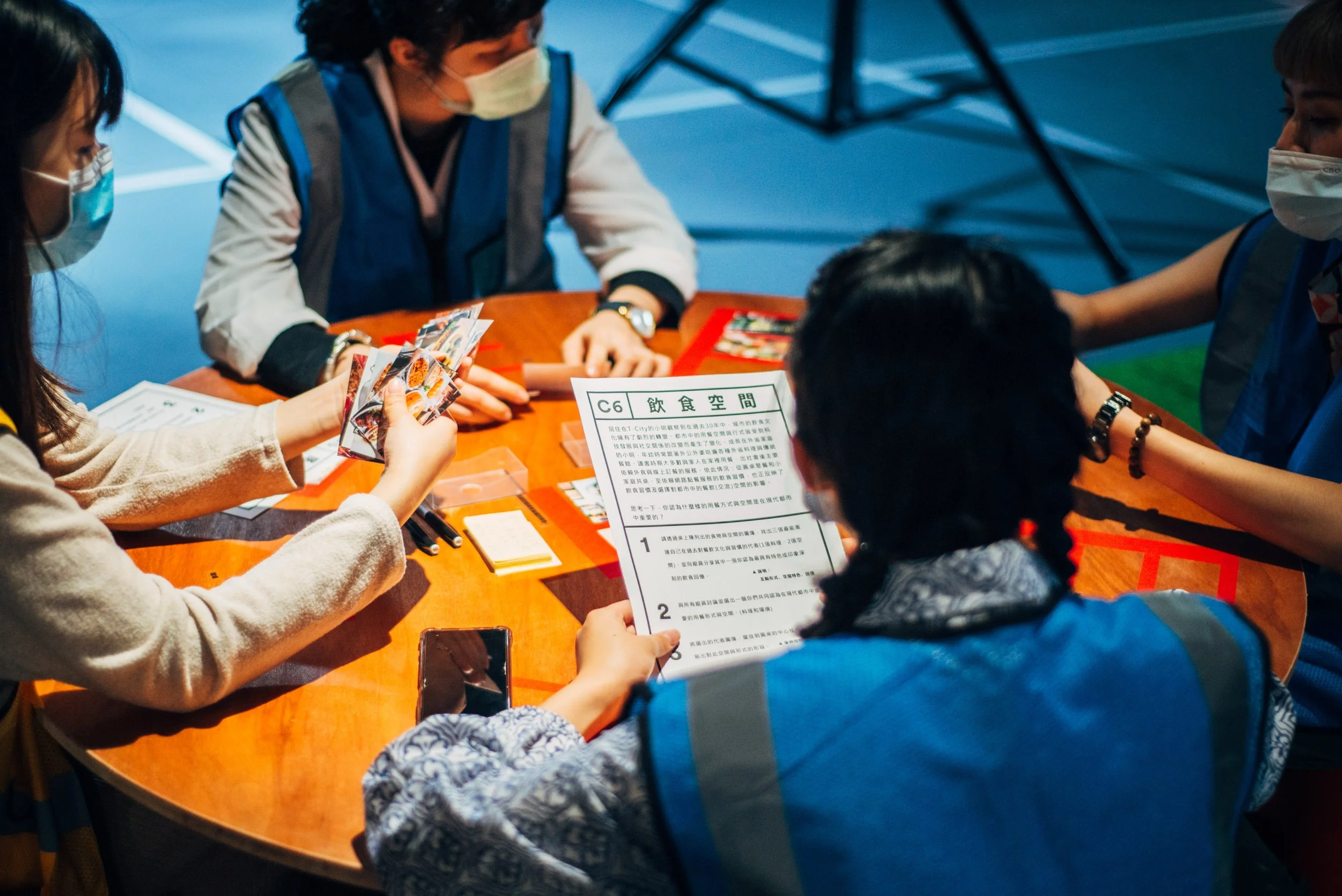
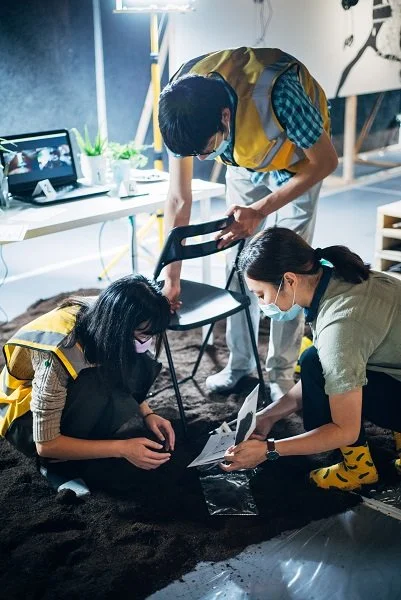
(left) participants at the round table discussion on food ©James Teng
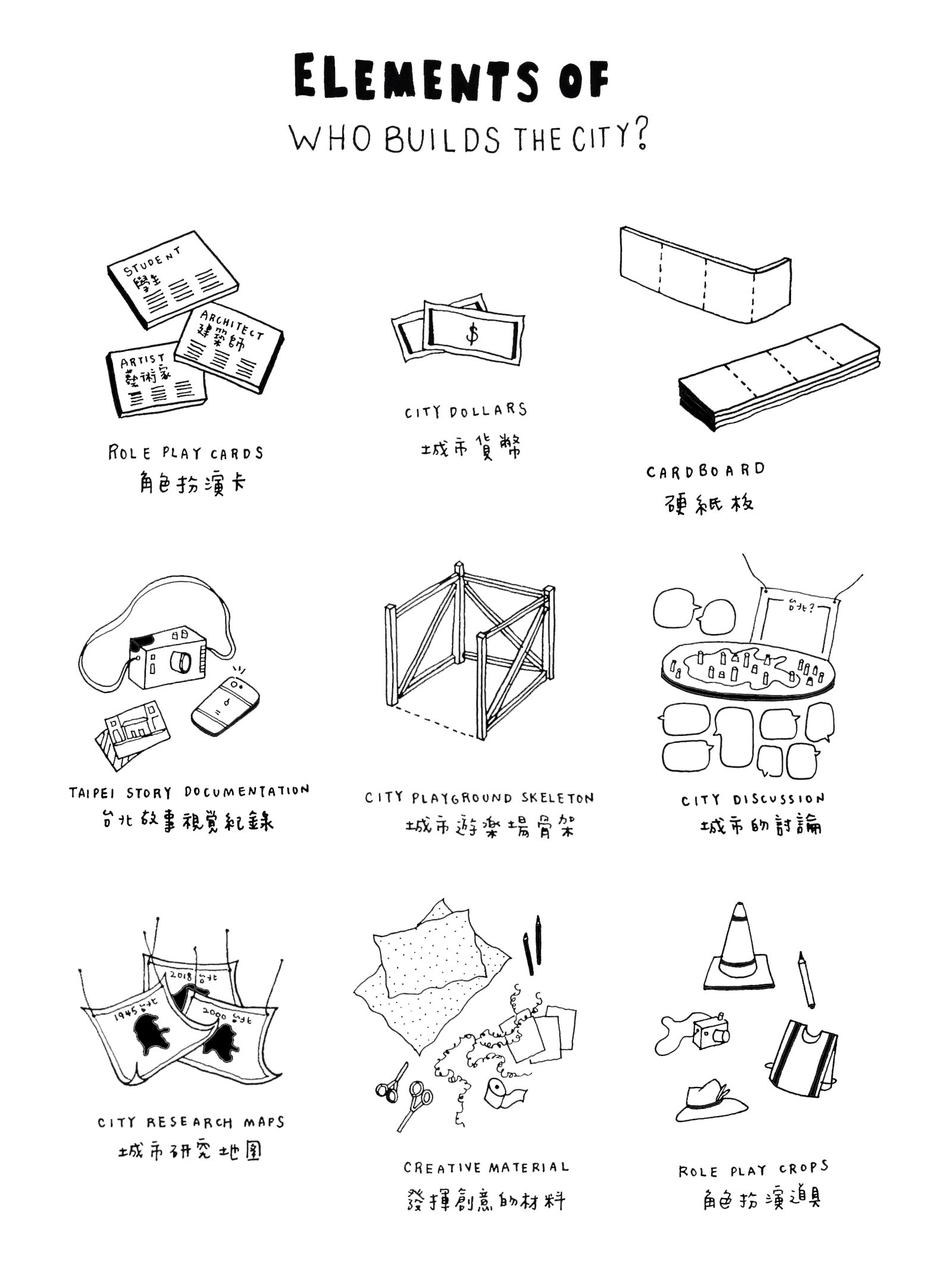
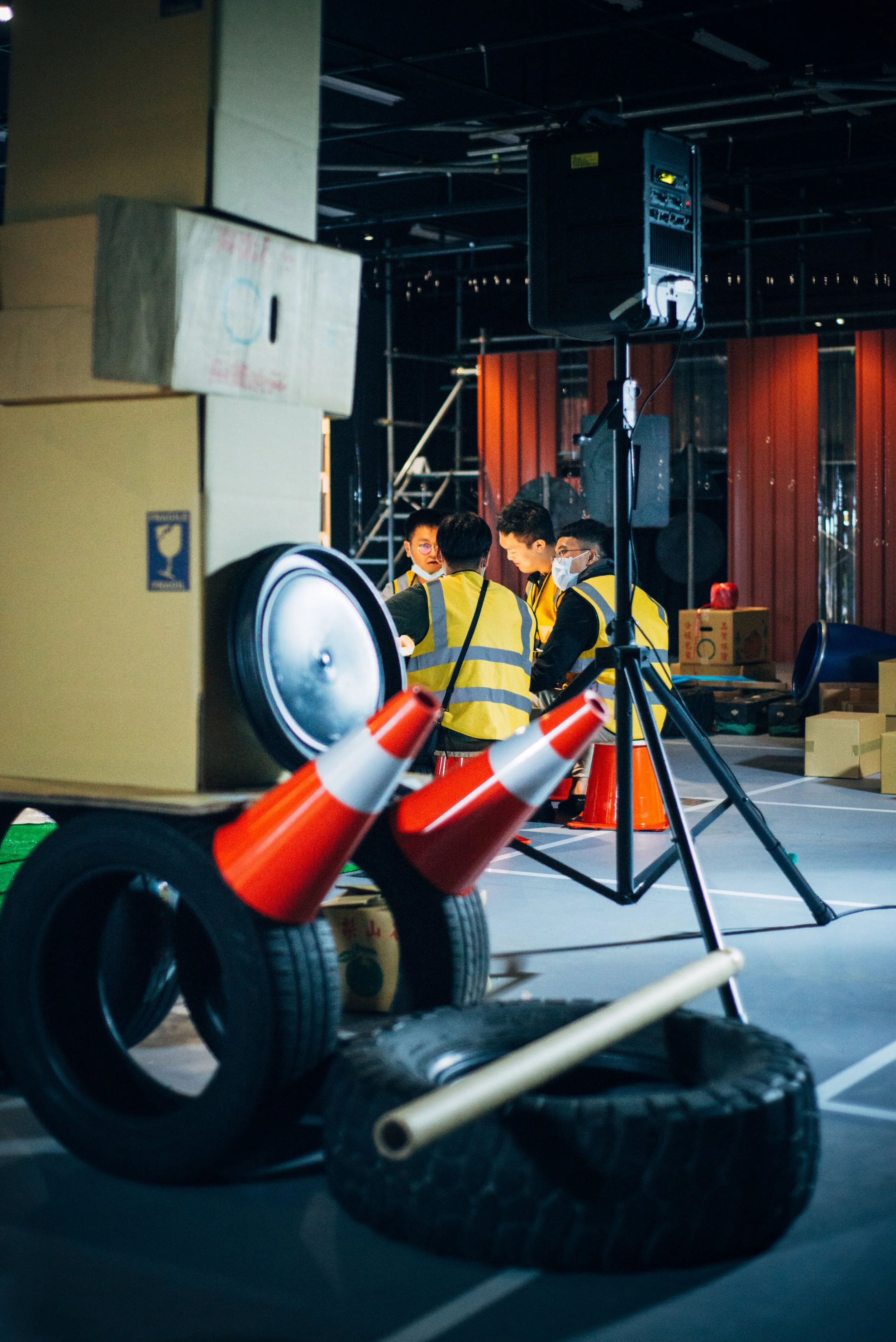
(bottom) imagining possible elements of the installation
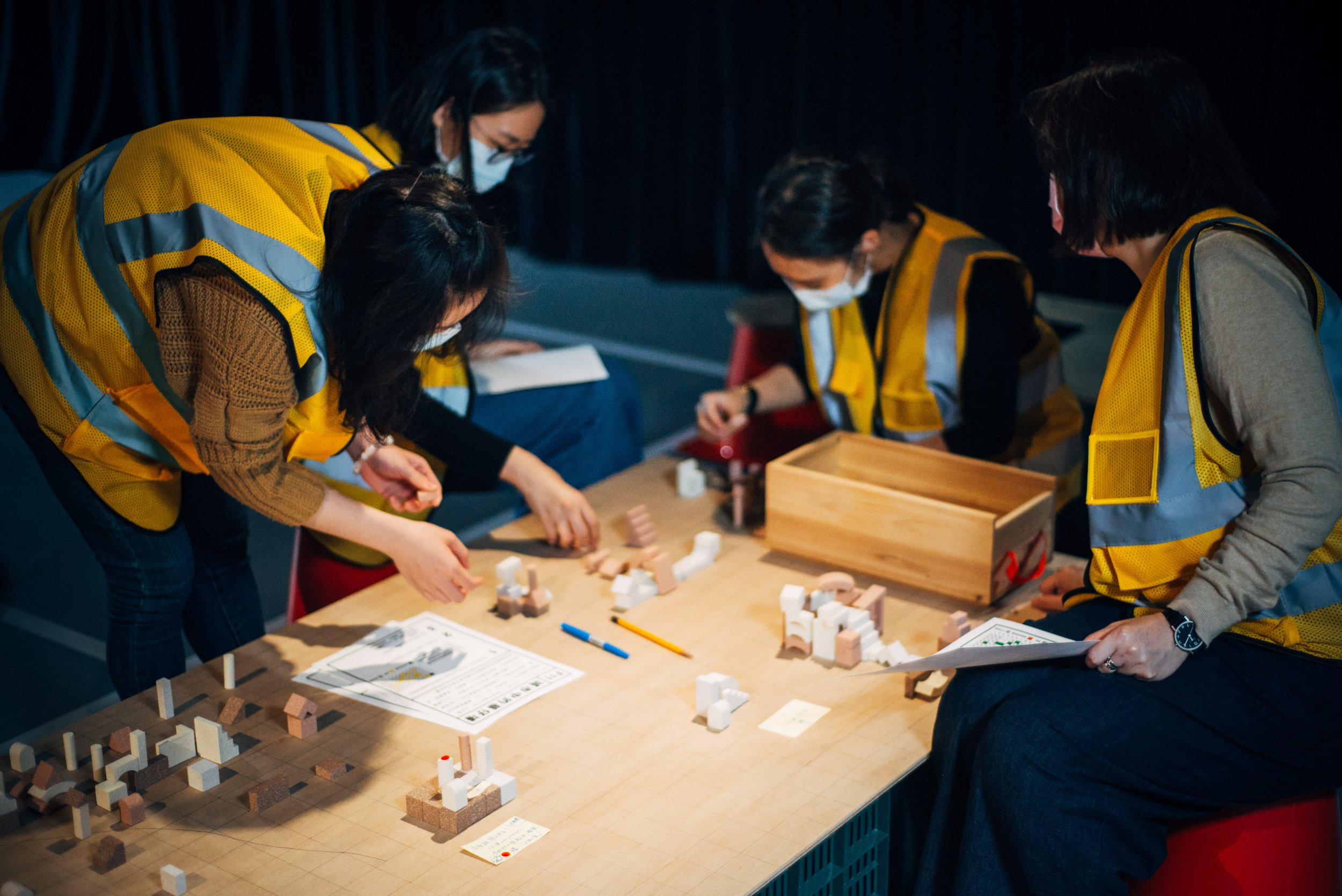
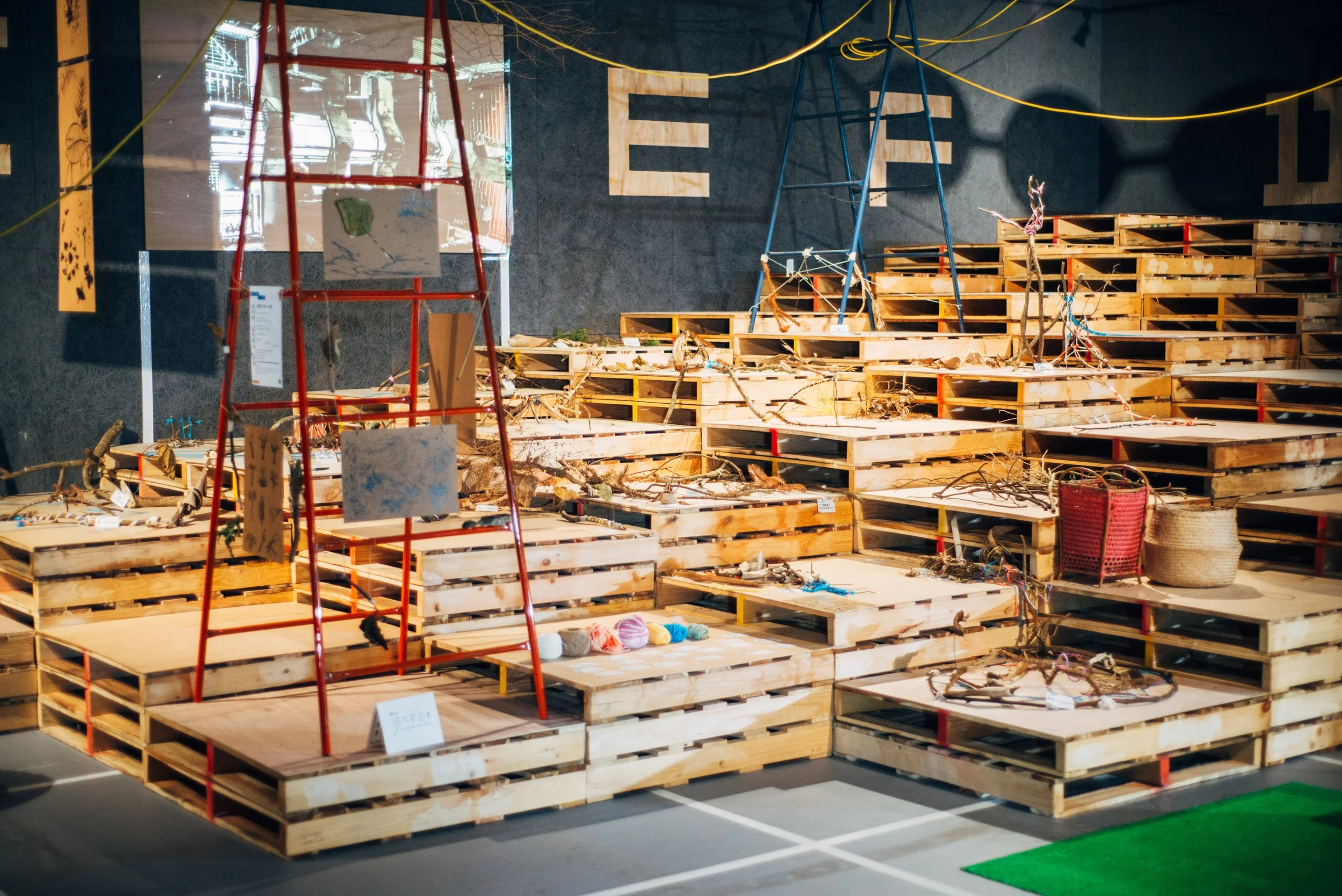
The ‘city playground’ model functions as a miniature-size and compressed model of the city in which the landscape is open for new interpretations and contributions by the public based on their own voices and imagination. The installation is created do to mimic the cityscape of Taipei, where sections of the river, mountain-side, green-spaces, public areas and housing centres, etc are represented by common everyday objects that promote a sense of playfulness.
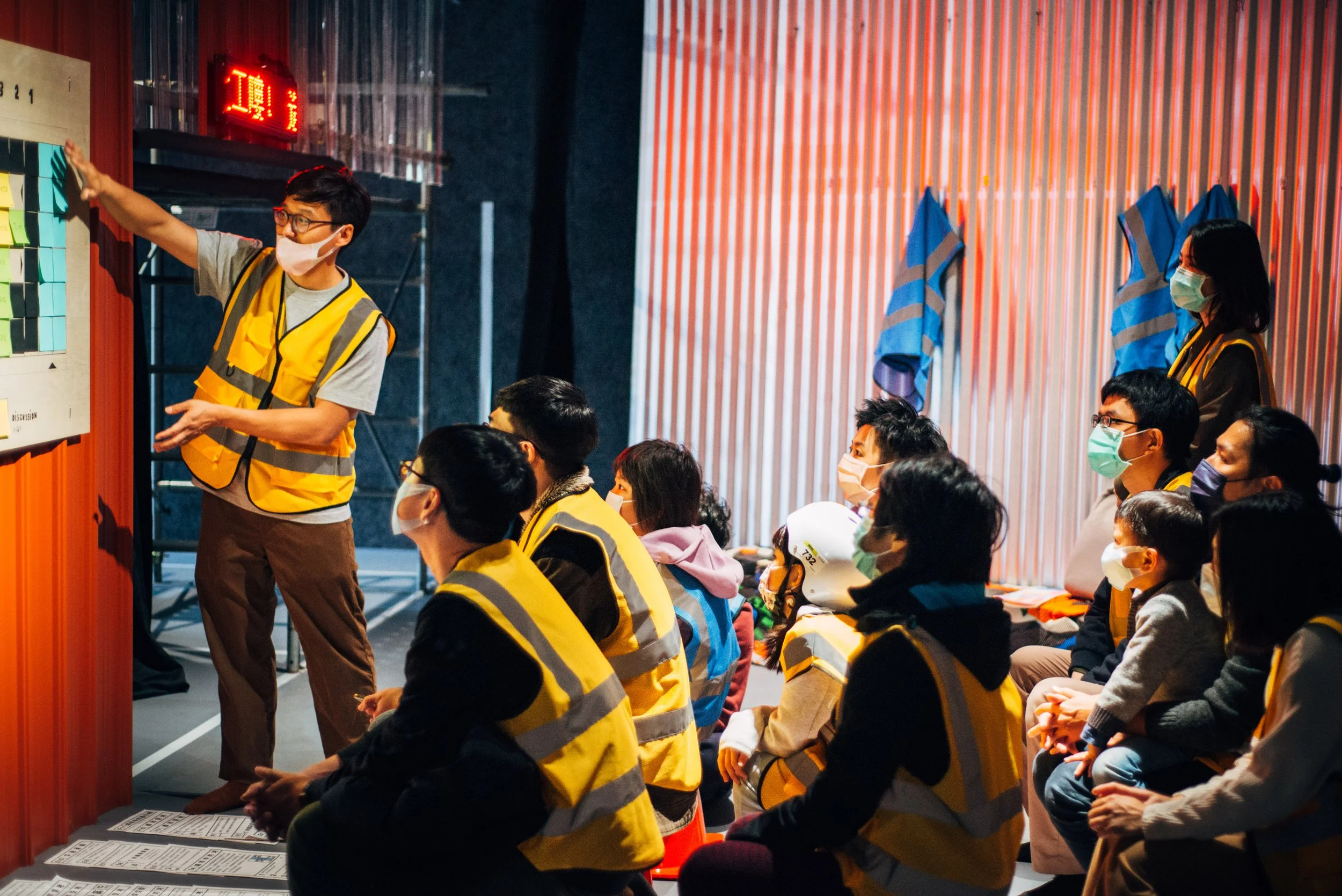
The interactive game of ‘who builds the city?’ starts with a short assembly of participants in the ‘construction office’ (image above) where groups of 2-4 participants choose their preferred subjects to discuss and physically ‘build’ or ‘modify’. Within each card is a discussion to be carried out and a distinguished task to complete on the model landscape.
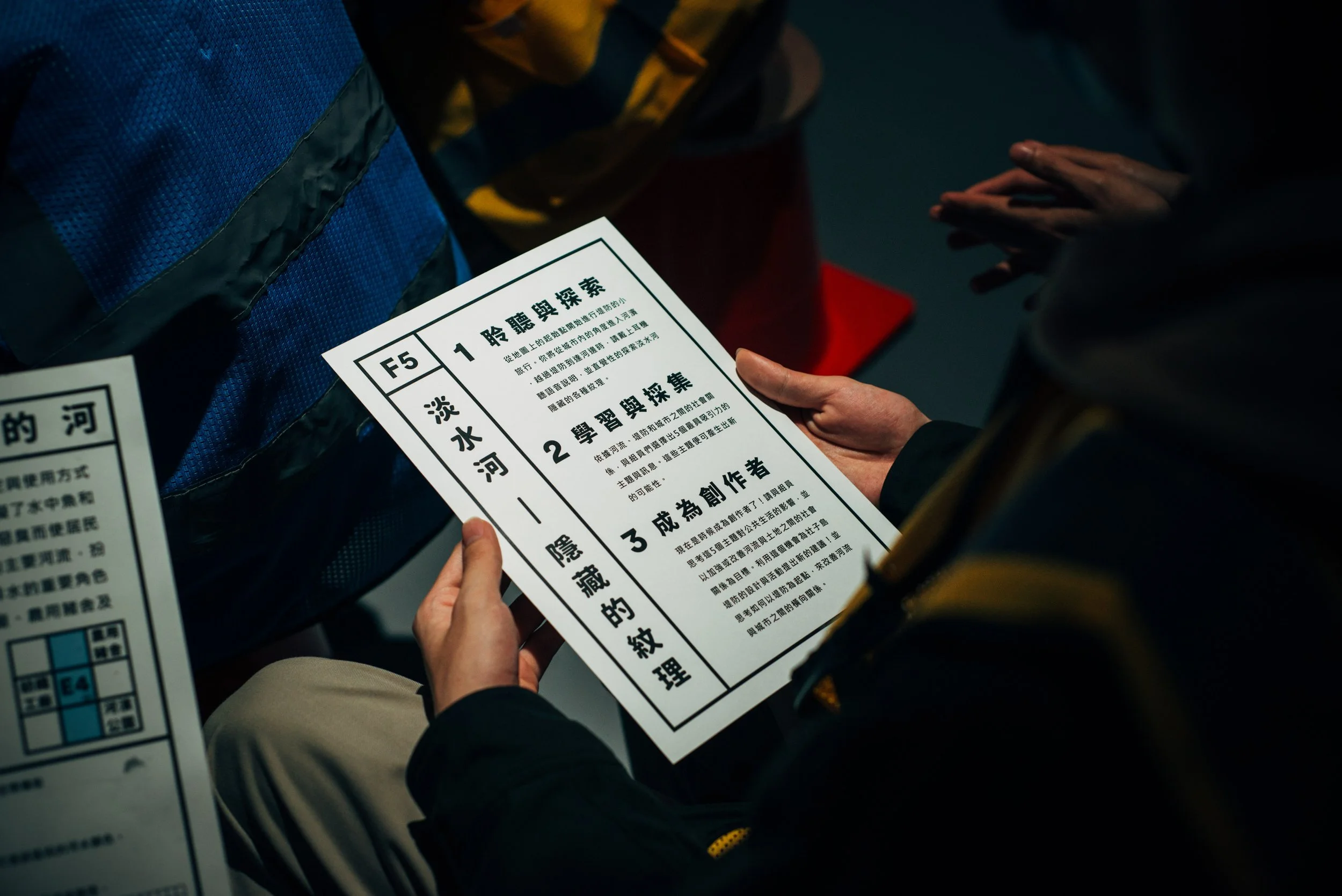
(top) subject task cards ©James Teng (top right) participants at the station of ‘Home’ by Minsun Kim (right) a corner of the interactive installation ©James Teng
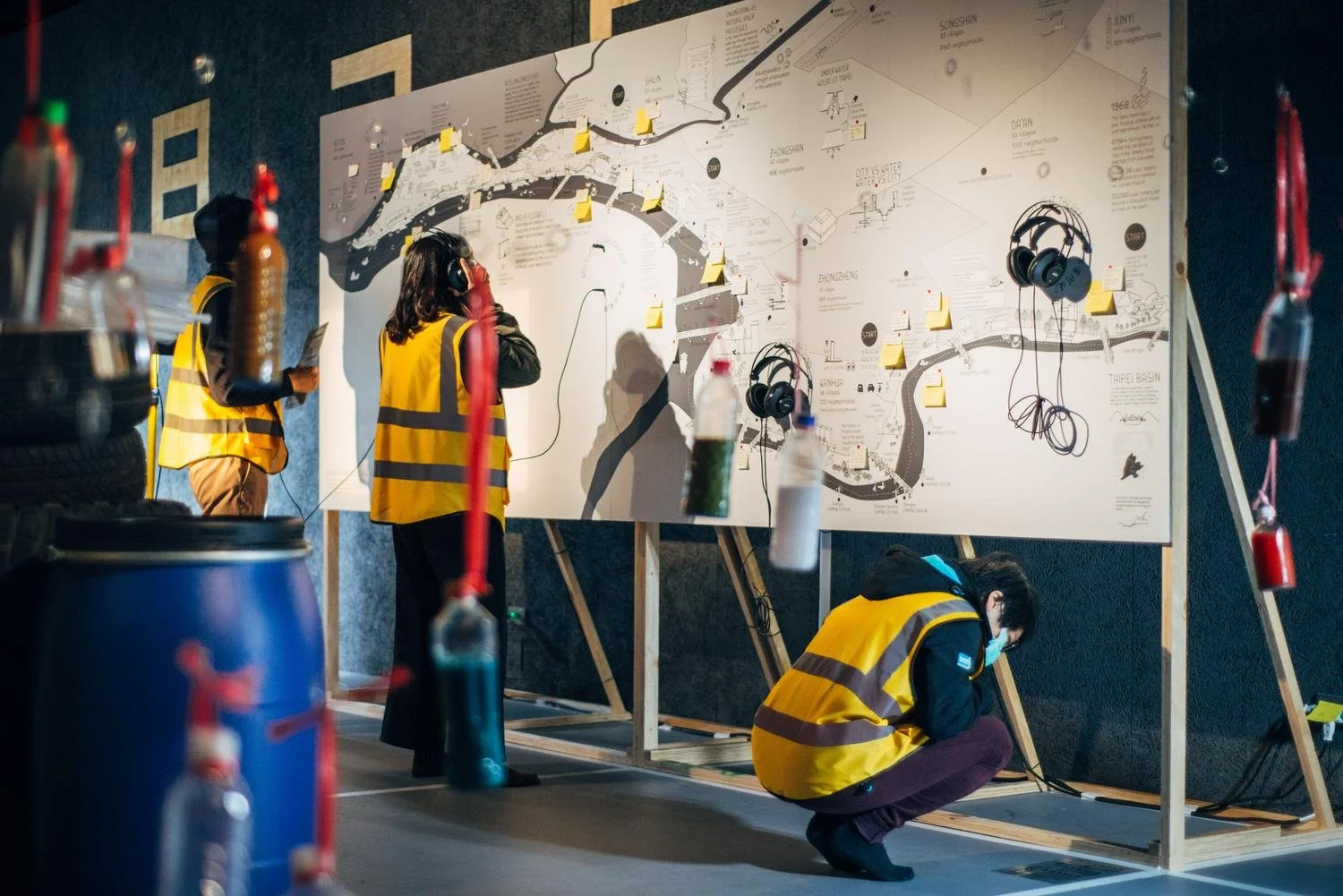
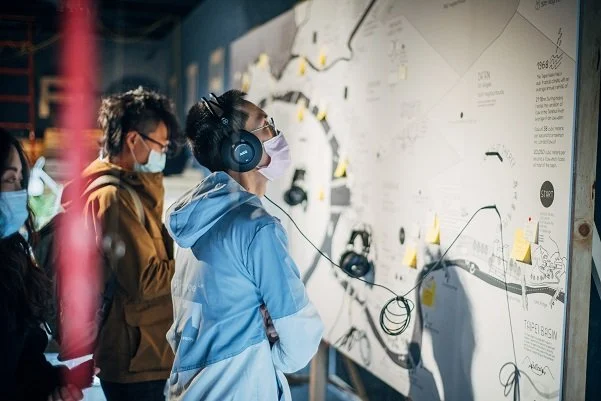
The hidden Tamsui patterns; learning from the dike by Janneke Derksen, participatory artist
(text by Janneke Derksen, source Jannekederksen.com)
The Taipei Basin was characterized geographically in two district river cultures; Tamshui River as commercial transport for tea, rice and camphor and the agricultural Keelung River. Where the focus of globalization-driven urbanization and the threats of floods had the lead in how we experience the relation between the river and the city, from the past to today. In 1971, channels and dikes were once identified as the most feasible solution of protecting the Taipei Basin, where the engineering methods had won it from the natural river processes.
Learning from the river
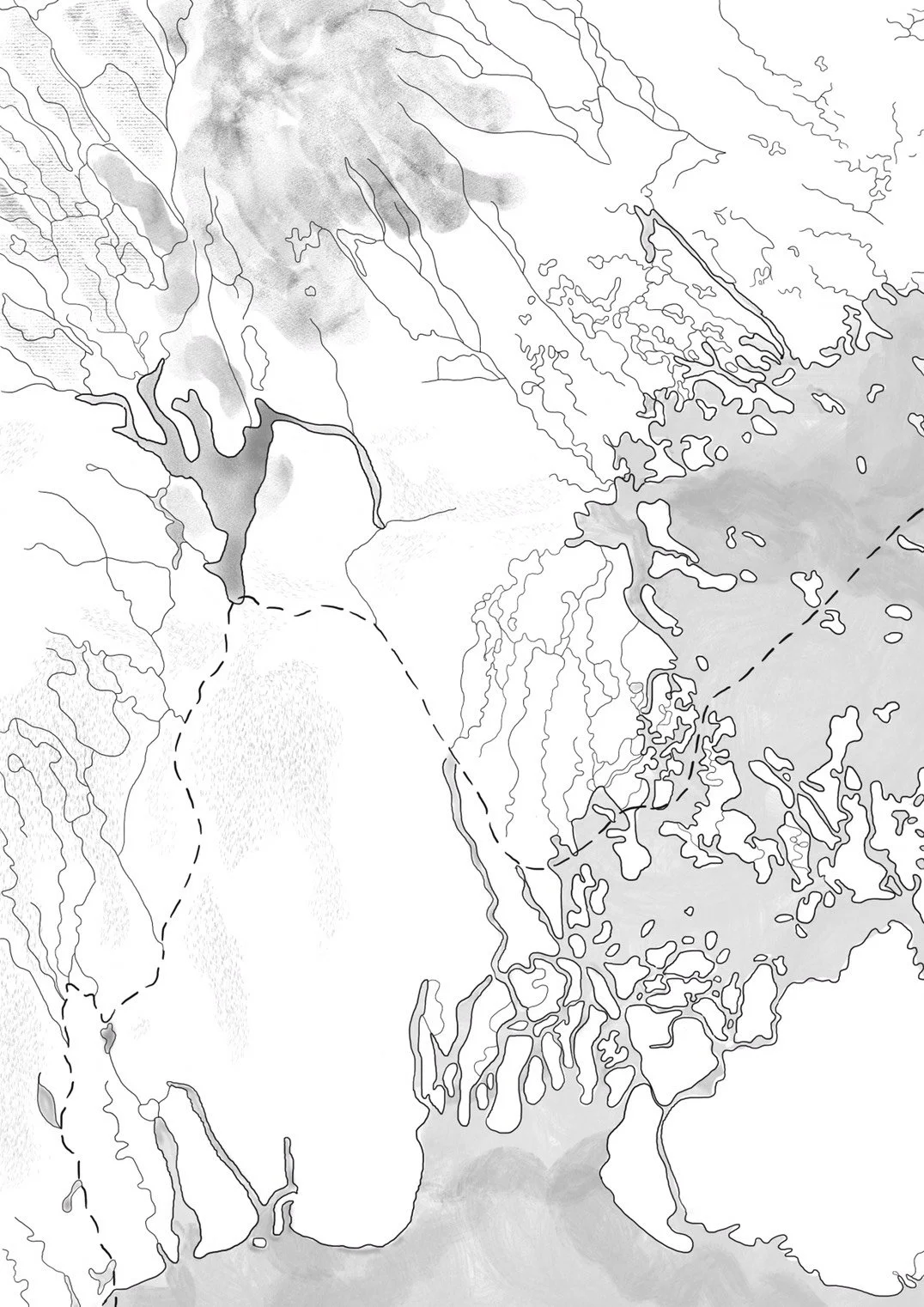
The Hidden Patterns of the Tamsui River is a collection of research from an outsider perspective, translated into an open and accessible format.
The four audio stories explain how the dike system came into existence, which layers are erased, and the possibility to reverse the approach, and the introduction of Shezi- Island, a place which offers opportunities.
The participants are invited to guide themselves to read and to experience the hidden patterns of the river and the dike of Taipei on the journey. Then they will be asked to sketch their own proposal for the dike on Shezi Island. We use the dike as a starting point to improve the horizontal relationship between the river and the city.
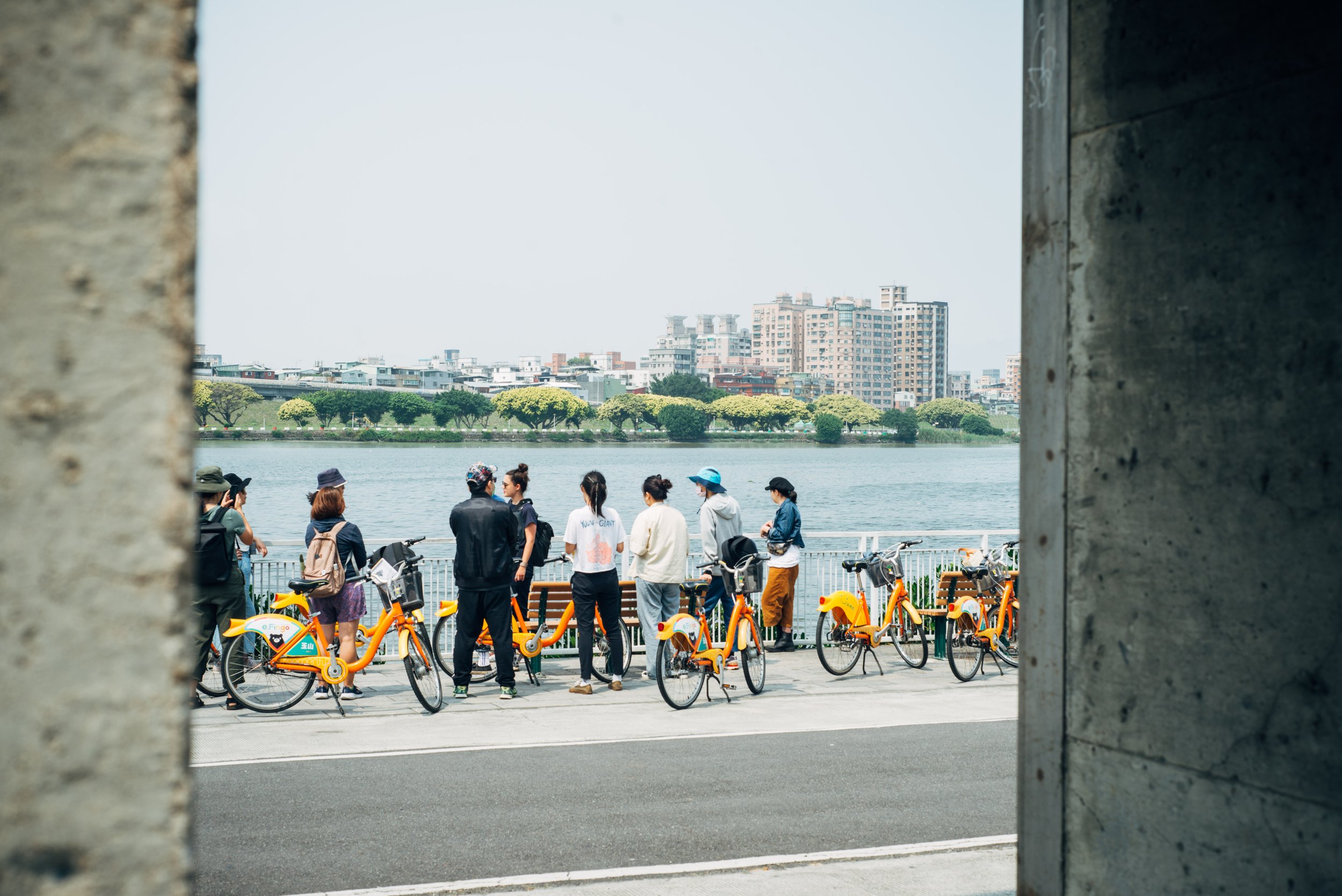
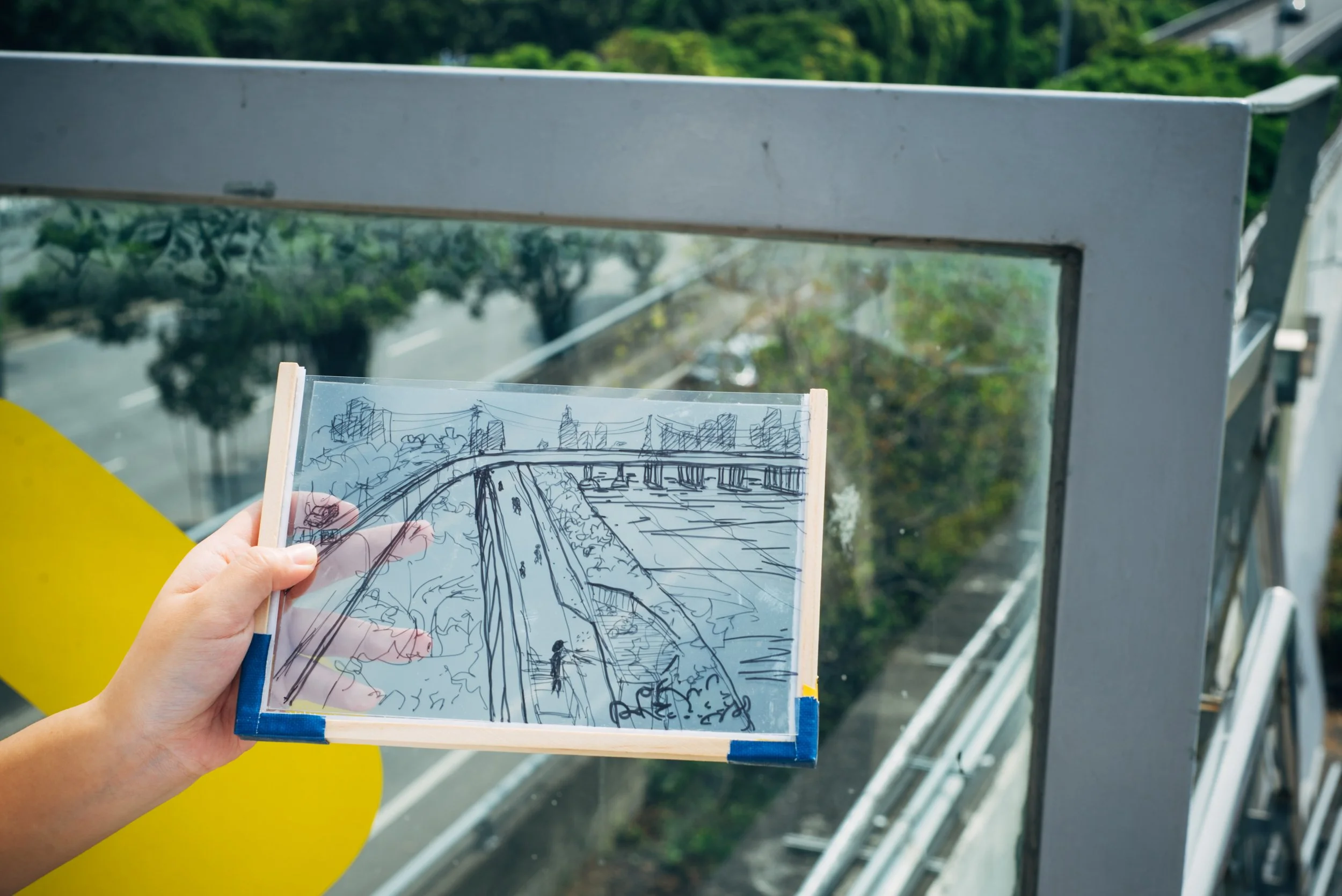

(top left) installation of ‘The Hidden Tamsui patterns’ (middle left) during the biking workshop alongside Tamsui River (bottom left) a sketch by a participant during the biking workshop (above) visual storyline of ‘The Hidden Tamsui patterns’ ©James Teng
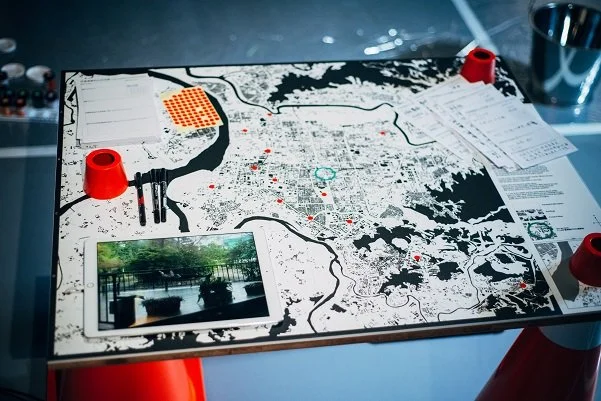
The City of, ______, ______, and ________. by Sarah Bovelett, participatory artist
(text by Sarah Bovelett, source Sarahbovelett.com)
A city is not an enclosed system but a stage, welcoming various characters and scenes and offering space for these to manifest. This glossary with articles from A to Z proposes a method of understanding the countless possibilities of interacting with the city. Revealed are various components necessary to create an urban intervention or activate urban areas. The proposed entries function as permanent variables, yet their application and correlation is flexible and to some extent, random. The many scenarios that can be composed by combining and mixing the different components are illustrated by the means of samples – proving the method and applicability of the glossary.
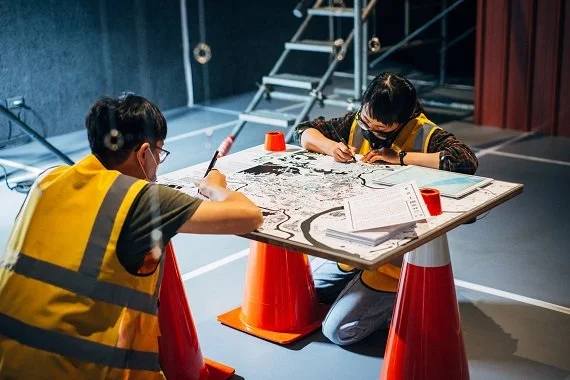
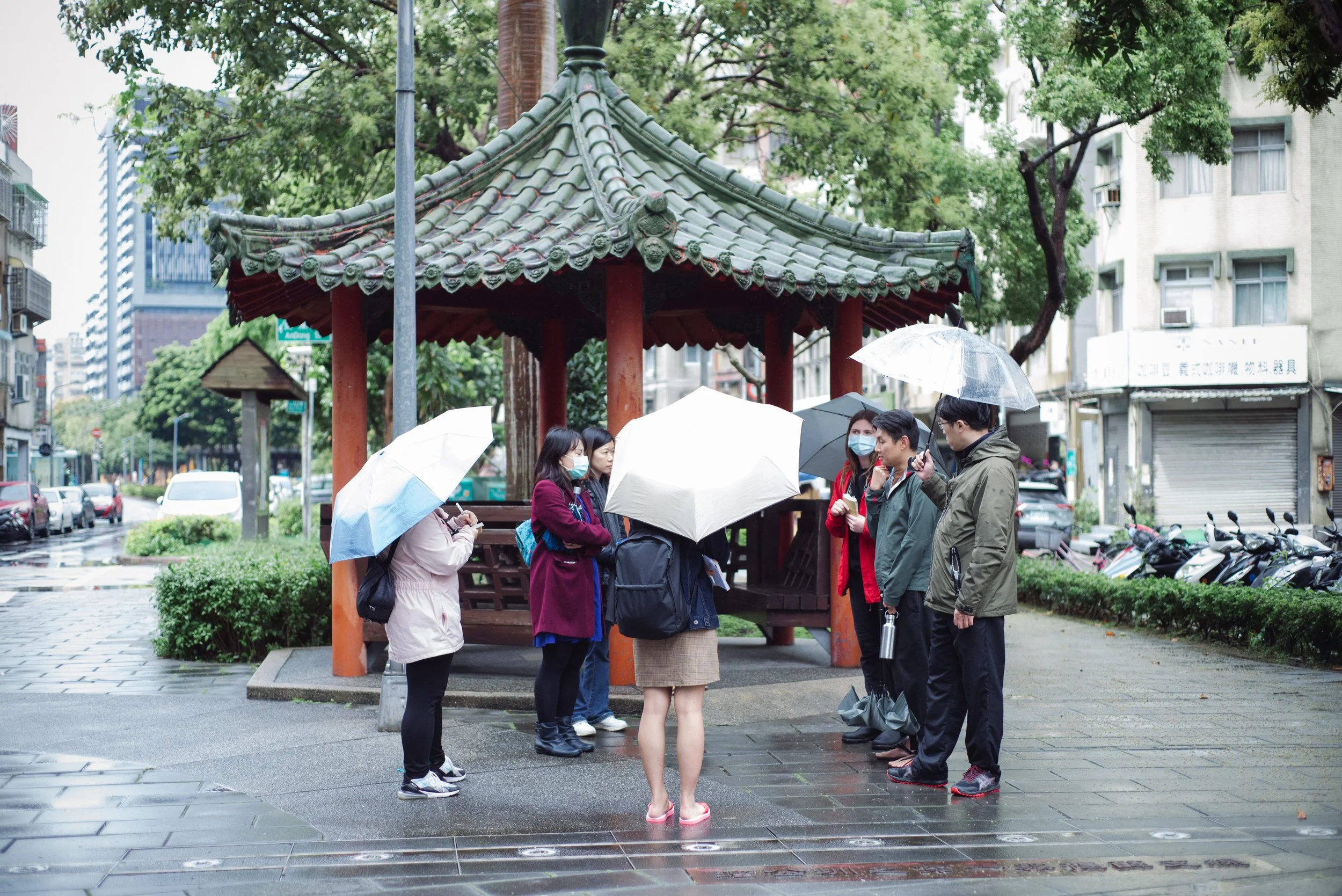
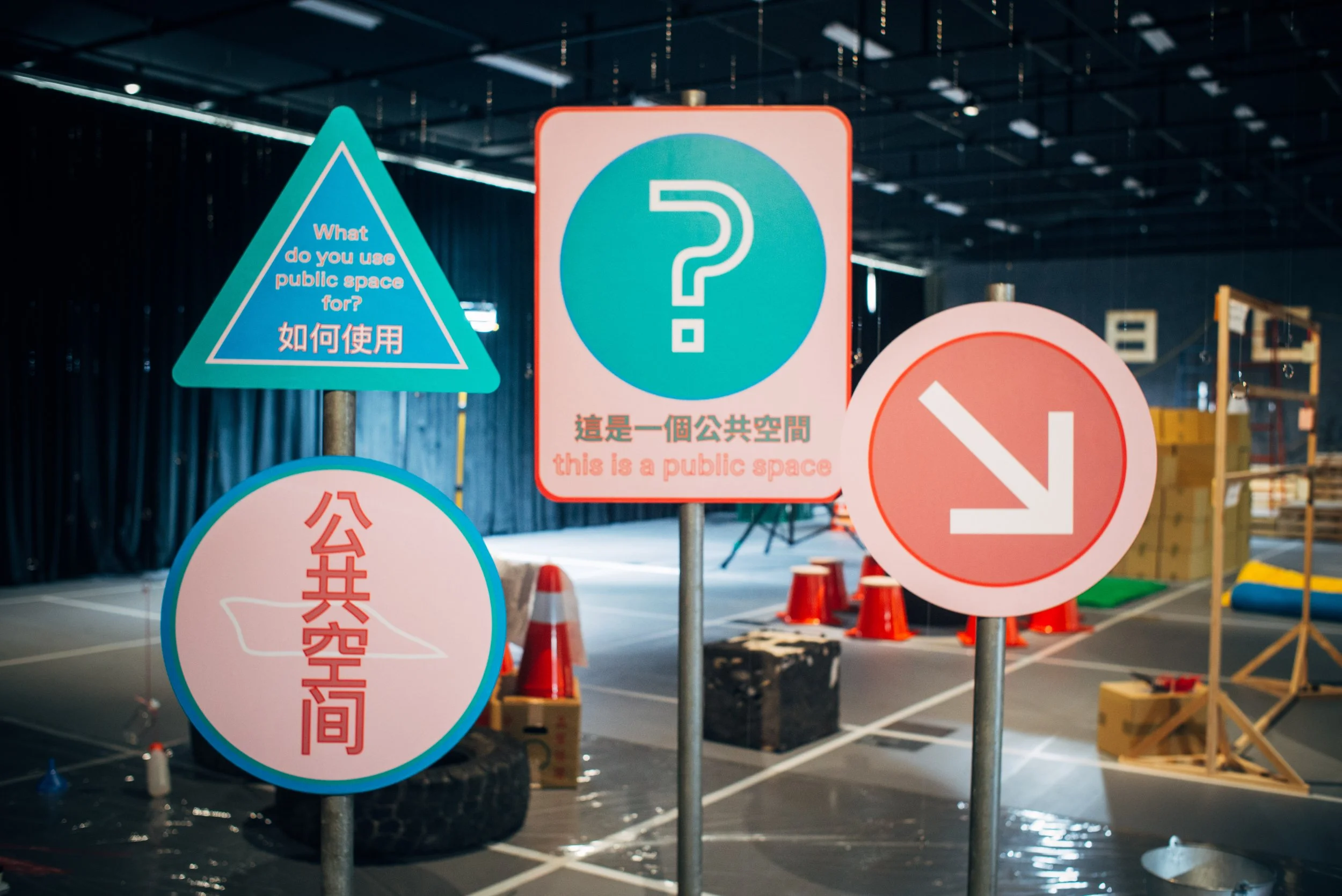
(top right) the survey of ‘public spaces in Taipei City’, installation ©James Teng
(right) participants sharing their favorite public spaces in Taipei City
(bottom right) public space signs of the interactive model ©James Teng
(below) workshop on the public spaces in Taipei ©James Teng
A feeling of home by Minsum Kim, participatory artist
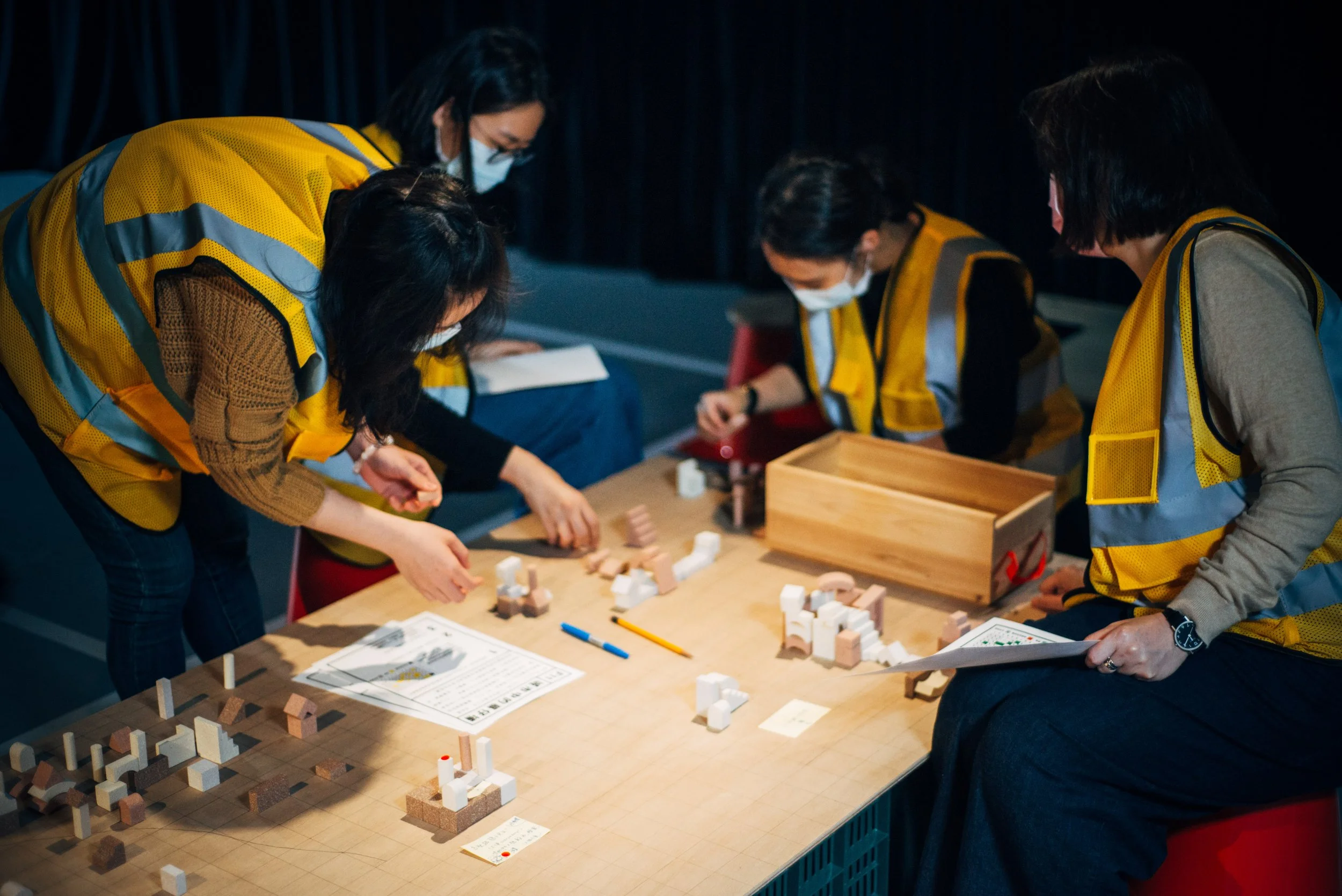
Minsum reveals the real story of inhabitants and their local values in the spaces of individualism and privacy - the home. The research focuses on the ordinary use of the home space and community engagement related on the local life of interviewed individuals.
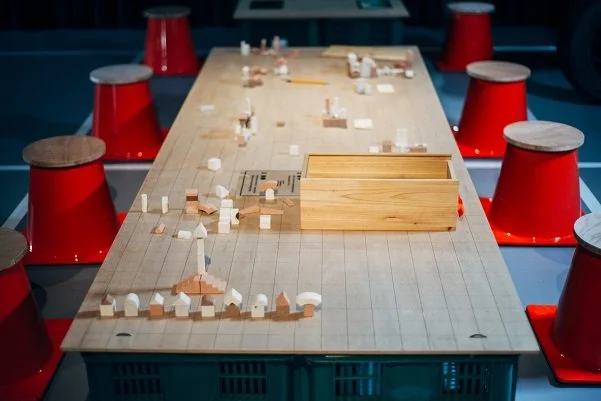
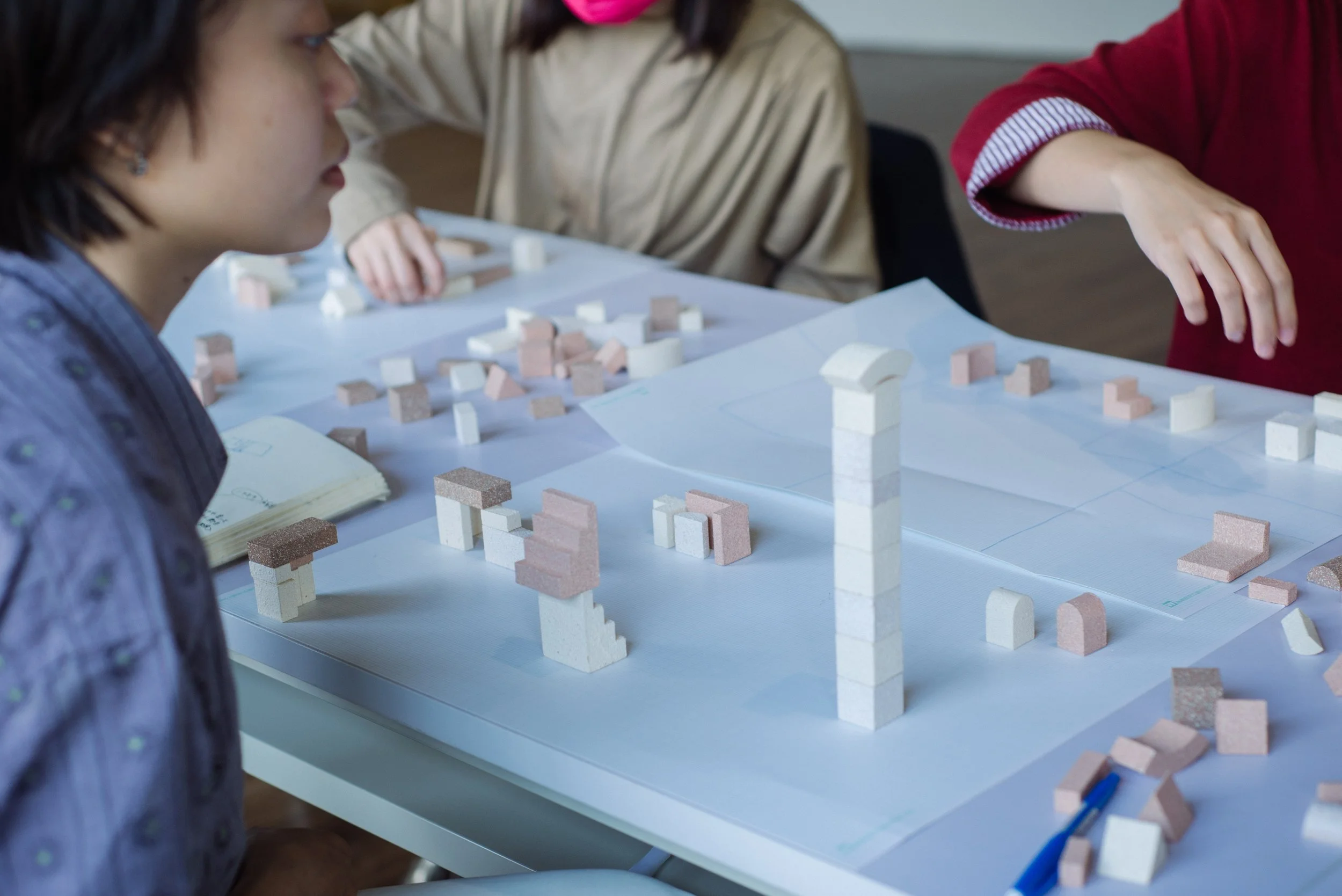
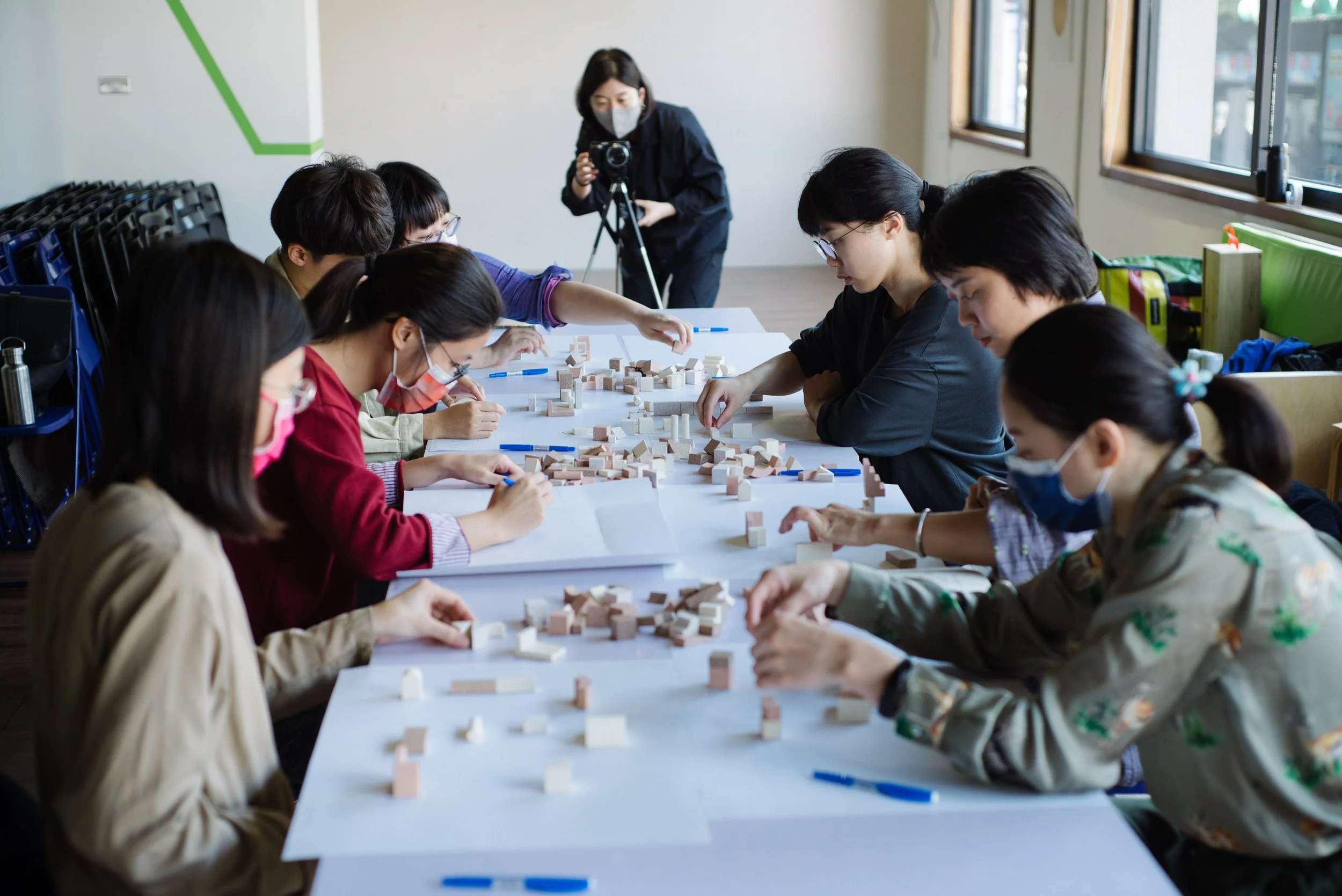
(top left) participants the installation of ‘A feeling of home’ ©James Teng (middle left) participants the installation of ‘A feeling of home’ ©James Teng (bottom left & bottom) workshop on ‘A feeling of home’ ©James Teng
Nature in the city by MoreInkBetween, participatory artist
(text by Joy Chou & Rae Hsu)
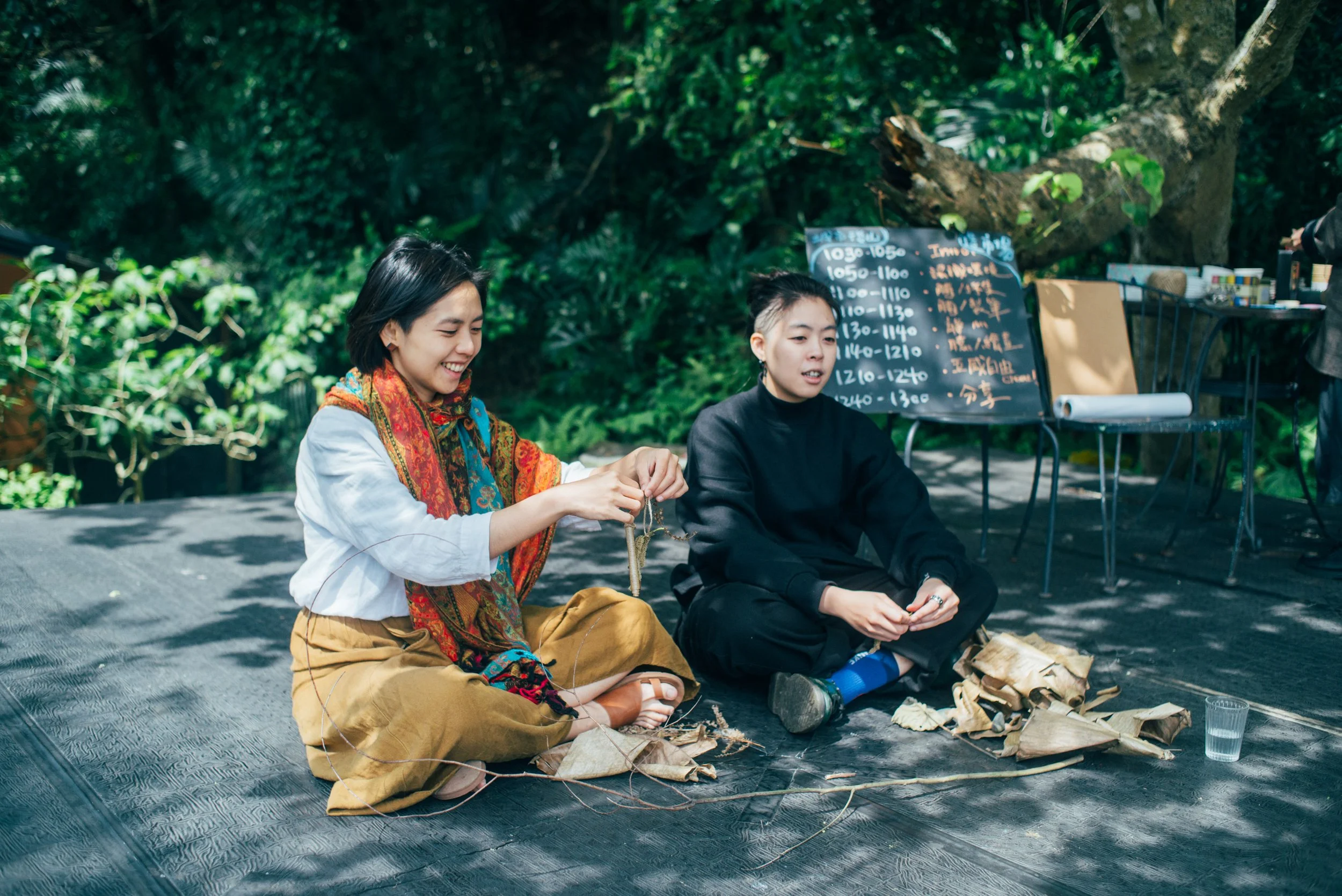
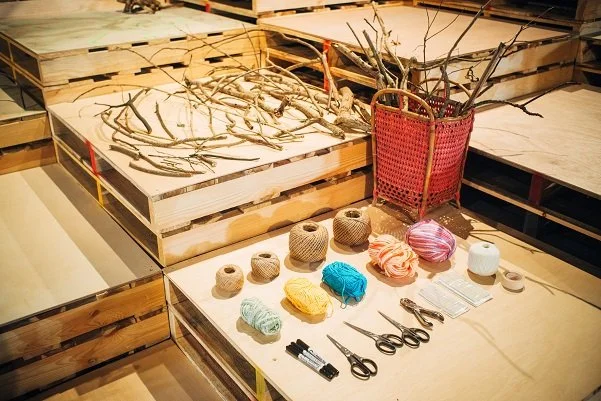
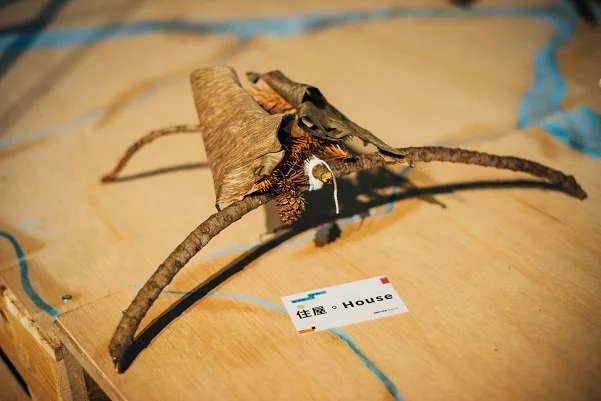
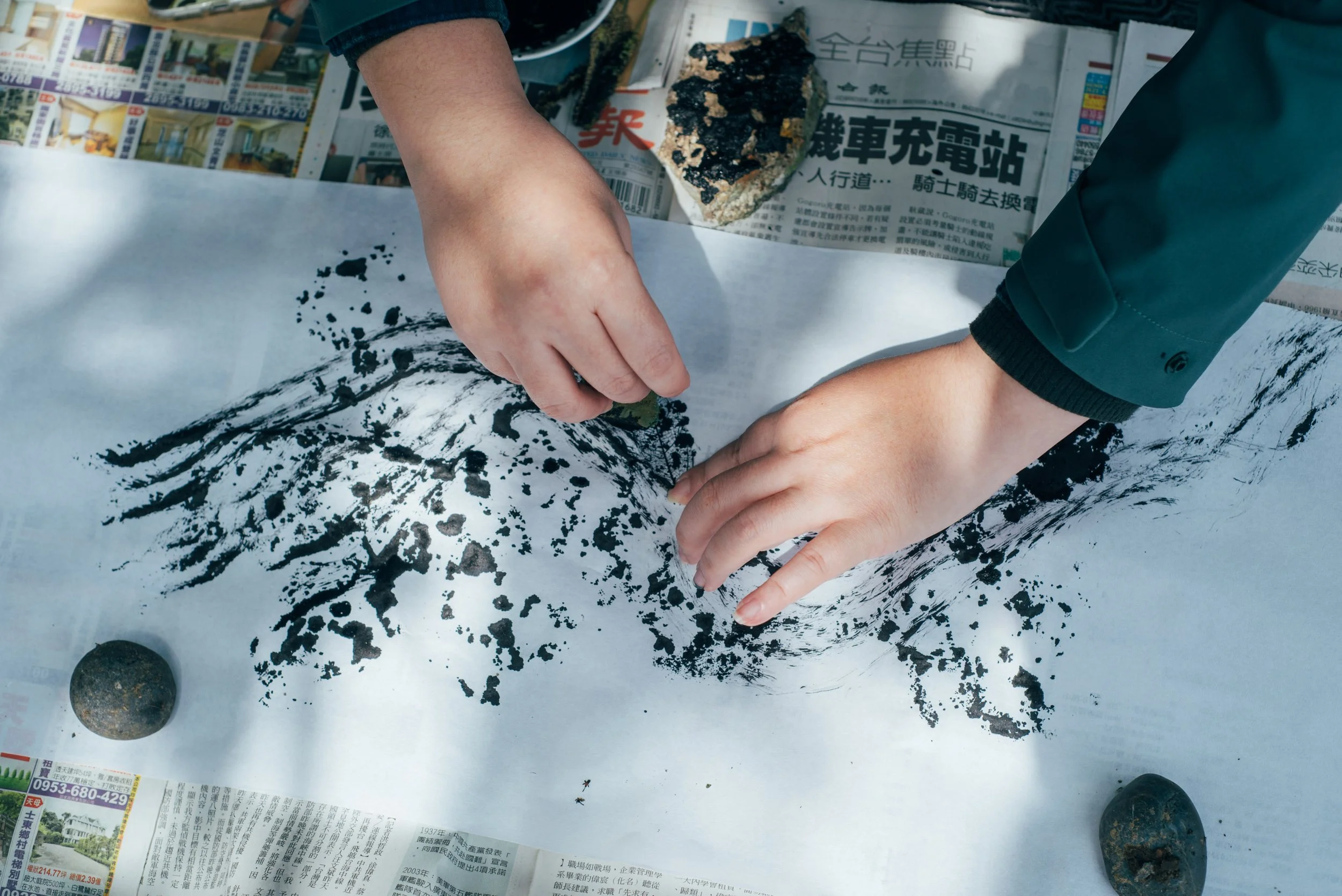
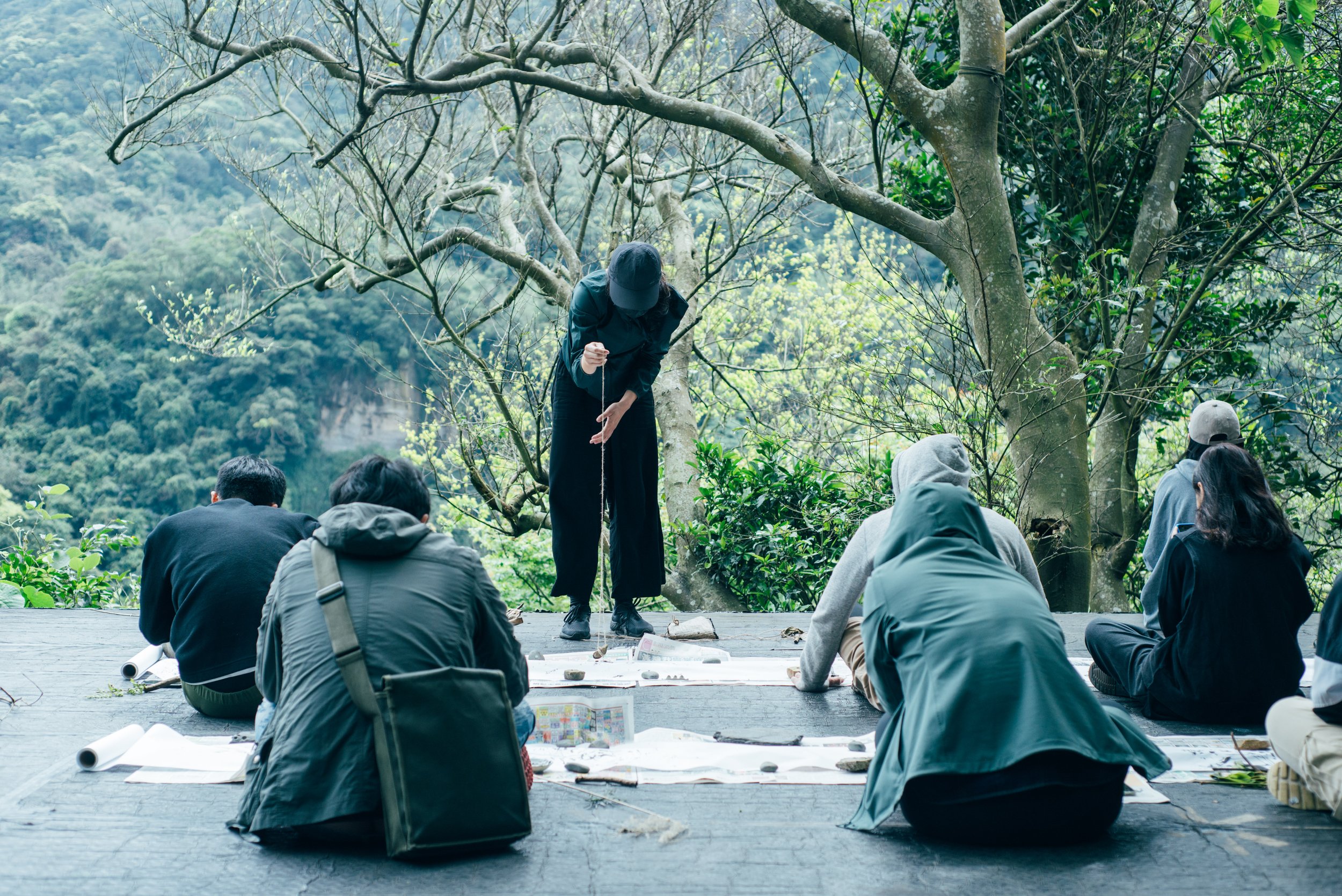
Walk in nature, we feel like home. Nowadays, our physiological dependence on nature has been greatly reduced, but the psychological dependence has increased. Nature brings happiness to mankind, but sadly we return it with destruction.
Taipei, with its geographical environment surrounded by mountains, is the capital of Taiwan and the second largest basin. We hope people living in Taipei could think about the significance of mountains to them, and then reflect on the relationship between nature and social development.
Carbon Copy by millonaliu, participatory artist (text by millonaliu, source millonaliu.com)
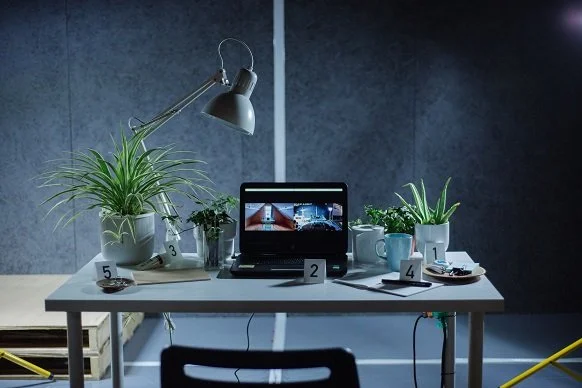
On interconnectedness and sameness within our domestics. The installation is a replica of our own home working desk in Rotterdam, cloned in Taipei as part of the exhibition.
Tracing the origins and networks of circulation of these objects that exist simultaneously in the same arrangement in distanced places, the work tries to address the pressure of global markets and corporations under which cities are becoming more homogenous, local cultures being assimilated and resources exploited.